The phrase pest control covers a lot of ground, from a homeowner chasing sugar ants in the kitchen to a food distributor protecting a million dollars of inventory. What separates reliable pest management services from a spray and pray approach is discipline. Data, thresholds, and well chosen interventions, not just chemicals, keep pests from turning into crises. The best pest control companies put a measurable system in place, then steadily improve it.
I have watched this play out in quiet, satisfying ways. A bakery with recurring mice in the proofing room went from nightly sightings to none, not because we used stronger poison, but because we mapped traffic with non toxic monitoring blocks, sealed three thumb sized gaps behind equipment, retrained staff on flour waste cleanup, and tightened the exterior door sweep by 6 millimeters. Service visits dropped from weekly to monthly. Complaints went to zero. The data was modest but clear, and it told us what to do next.
Data that actually matters
Every building breathes, every operation produces waste, and every season invites different pests. The information you collect, and how you read it, determines whether your pest control plan is targeted or wasteful.
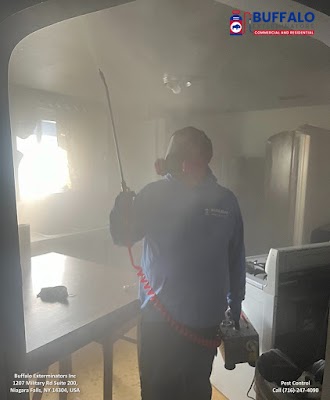
On the quantitative side, trap counts and trend lines are the backbone. I like to tag every interior and exterior device with a location code, service date, and result, then chart captures by week. Three German cockroaches in a food prep line is a very different story than three under a mop sink in a janitorial closet. Device specific results catch those patterns. Complaint logs and night shift sightings also matter, even if they are subjective. One complaint a month might be noise. Three complaints after a schedule change tells you something changed in the habitat.
Moisture readings are underrated. A wall that swings from 8 percent to 16 percent moisture after a rain is a magnet for ants and the conditions that feed subterranean termites. I have seen granary weevils pop in a storage bay that rode 6 degrees warmer than the rest of the building for weeks, only because a makeshift barrier blocked airflow near the roofline. Temperature, humidity, and product rotation times are helpful to log in commercial and industrial pest control, especially around stored product insects.
Photos help too. Close ups of droppings, gnaw marks, entry points, frass, and mud tubes, dated and geotagged, speed decisions. Many professional pest control teams now include photo documentation in their pest inspection services. It builds a shared picture that anyone on the team can understand, not just the technician with a good memory.


Integrated Pest Management is the backbone
Integrated Pest Management, or IPM, is not a slogan. It is a framework for making reasoned, defensible choices. You set action thresholds. You look for root causes and structural or cultural fixes first. You use the least risky control that can meet the threshold. You check your results and adjust.
That can sound soft until you price two different approaches to a recurring rat problem. One path is endless baiting with a top tier rodenticide. The other is a combined program of sanitation, exclusion, and targeted baiting. We tracked labor and materials for both paths across similar facilities. The inclusion of exclusion work, such as reinforcing dock leveler side seals and installing kick plates on pallet doors, cut bait consumption by 60 to 80 percent within two months. Service time came down about 30 percent by month four because technicians spent less time chasing hot spots. The second path did more in the first 60 days, but over a year it saved money and reduced risk to non target animals.
IPM is not anti chemical. It uses chemistry where it belongs. A focused residual treatment for German cockroaches in a commercial kitchen, applied into cracks and voids after a thorough clean, will outperform a fogger every time. A borate soil treatment and a baiting system literally stand between a homeowner and subterranean termites, and they work best when combined and monitored.
Residential, commercial, and industrial work are not the same sport
Residential pest control revolves around people and pets, often in smaller spaces with more varied conditions. Customers want pet safe pest control and reliable results that survive normal life, such as cooking, showering, and weekly cleaning. You are often dealing with entry points at utility penetrations, landscape pressure from shrubs and mulch against siding, and pest reservoirs like crawlspaces or attics. Home pest control must account for kids, aquariums, and family schedules. Eco friendly pest control options and organic pest control products can fit better here, especially for ant control services, spider control services, and mosquito control services that target outdoor living areas.
Commercial pest control lives under audits and public expectations. A school, hospital, restaurant, grocery, or hotel needs documented inspection frequencies, device maps, and corrective actions. The cost of a sighting is reputational first, financial second. A quarterly pest control service with robust preventive pest control steps can work for a professional office, but a restaurant may need a monthly pest control service and a same day pest control option for emergencies. Apartment pest control blends both worlds, because a single untreated unit acts as a pressure source for the whole building.
Industrial pest control raises the stakes. Warehouse pest control and food processing facilities face regulatory and safety pressures that make ad hoc service painful. Remote monitoring for rodent control, zero tolerance thresholds in production zones, and strict pesticide selection rules drive the work. If you see a pest control company throw down general use sprays in a food plant without a word about audit compliance, pick a different team.
Inspection and diagnosis come before any spray
I make a point of walking exteriors first. The building envelope tells you where to look inside. Gaps at utility penetrations, recessed doors without proper sweeps, weep holes filled with mulch, and roof drains clogged with leaf litter are all invitations. On the interior, start in mechanical and storage areas, then work outward to high traffic zones. The pathway from trash compactors to back hallways to receiving docks is rarely clean. Grease traps, dish pits, and the quiet corner where mops drip all night, those are cockroach havens.
Lighting matters. I carry a headlamp and a thin inspection mirror. You would be surprised how often a live German cockroach peeks from under a wall mounted soap dispenser. A simple moisture meter shows whether a baseboard hides a slow leak. For termites, a screwdriver and patience are your friends. Tap, listen for hollows, probe suspicious trim, and look for mud tubes at slab edges and under steps.
When a customer types exterminator near me and calls in a rush, the temptation is to jump to treatment. Slow down just enough to find the route pests use. It is rarely far from the food, water, or shelter they came for.
Treatment playbooks that respect data and biology
Rodent control starts with access and food. If employees stash snacks in desks and pallets sit tight to walls, you are asking traps to do more than they can. I prefer a peripheral ring of exterior stations, keyed and tamper resistant, paired with interior mechanical traps in predictable travel routes. Bait is powerful, but in many sites it is a maintenance tool, not the first strike. I log captures weekly at first, then move to biweekly or monthly once counts drop. If captures spike at a specific dock door after deliveries on Mondays, revise receiving procedures. In apartment buildings, rat control services and mice control services depend on sealing chase penetrations between units and floors. The two centimeter gap around a riser pipe can feed half the problem.
Cockroach control rewards precision. For German cockroaches, a combination of gel baits, insect growth regulators, and non repellent residuals in cracks carries the day. The trap count tells you where to focus. If it is an American cockroach, think sewers, floor drains, and crawlspaces. Match the control to the species. Cockroach control that treats everything the same wastes product and time.
Ant control services ride on identification. Pharaoh ants respond poorly to broad spectrum sprays, often budding into multiple colonies. Baits that fit the sugar to protein preferences of the target species work better. Pavement ants want different bait formulations than carpenter ants. On the homeowner side, trimming vegetation that bridges to the roof and keeping mulch pulled back from the foundation by 20 to 30 centimeters reduces trails more than any single product.
Termite control and termite treatment are long games. A good soil pretreatment during construction, often with a borate or non repellent termiticide, builds decades of value. For existing structures, baiting systems paired with localized wood treatments give control while limiting product in living areas. Termite control is not an annual spray, it is a monitored system. Termite extermination claims that promise one and done often overstate what the biology allows.
Bed bug control is humbling. Bed bug treatment combines heat, encasements, vacuuming, crack and crevice applications, and rigorous inspection. Hotels learn quickly that room adjacency matters. If room 212 has a hot night, you inspect 210, 211, 213, and 214 as well. Bed bug extermination works best when laundry cycles, bagging protocols, and staff training line up with chemical and heat work. A single room can take two to six labor hours across multiple visits.
For outdoor comfort, mosquito control services and flea control services must address breeding and hosts. Standing water is obvious, but I find clogged gutters and saucers under potted plants are common culprits. When we paired larviciding with property owner education, service callbacks dropped by half. Dog runs and under deck shade harbor fleas. If you skip the pet’s veterinary treatment, yard sprays alone will not hold.
Spider control services, wasp removal, and bee removal services round out the common calls. Spiders often ride the insect traffic they feed on. Reduce the prey and you reduce the webs. Paper wasps love eaves with gaps. Seal, then treat. For bee removal services, relocation with a beekeeper is ideal when feasible. If it is a swarm resting on a branch, patience and a call to a local beekeeper solve most of those. When safety or structure prevent relocation, document the decision clearly.
Safety, sustainability, and what green really means
Safe pest control services are not a label, they are a process. It starts with product selection. Choose the lowest toxicity option that achieves the needed control, prefer targeted baits over broad broadcast where possible, and protect non target species. Pet safe pest control practices include bait placements that are inaccessible to animals, drying times respected before reentry, and clear communication of what was used and where.
Green pest control services and organic pest control aim to reduce environmental load, not to wish it away. They shine when paired with strong exclusion and sanitation. In food plants and schools, that work looks like brush seals on roll up doors, screened vents, positive airflow in prep rooms, and rigorous trash handling. Modern pest control techniques also include heat treatments for bed bugs, vacuum capture tools for crawling insects, and remote digital monitors for rodents that notify technicians when a trap fires. These tools cut unnecessary service trips and reduce pesticide use while improving responsiveness.
How to choose a pest control company without guessing
The distance between top rated pest control and disappointing service is not marketing, it is systems. If you are searching pest control near me or exterminator services in a hurry, a quick filter can prevent months of frustration.
- Licensing and certifications you can verify, including state licenses and any third party food safety or healthcare credentials if relevant. An IPM based service plan that explains inspection, thresholds, non chemical options, and when chemical controls are appropriate. Transparent reporting, preferably with device maps, service notes, and photos available after each visit. Clear response times for emergency pest control and same day pest control, with contact paths that reach a decision maker. Pricing that matches scope, such as monthly, quarterly, or yearly pest control plan options, and what is included or excluded in each.
If a proposal is only a list of spray products with no mention of exclusion or data, expect a cycle of callbacks.
Measuring results so you know you are winning
Pest control solutions should produce fewer sightings, lower trap counts, and longer intervals between interventions. After the first intensive phase, you should see data trend down. A good pest control company will share a simple dashboard or report. In small residential work, that could be an email with counts and photos. In commercial and industrial sites, a formal scorecard by zone, device, and pest type helps. I look for three to six months of trends to sort signal from noise. A single bad week might reflect a construction project or a supply delivery that came loaded with hitchhikers. A bad quarter tells you to revisit fundamental conditions.
For regulated sites like restaurants and hospitals, pest control inspection notes must tie to corrective actions. Sanitation infractions and structural gaps should flow into work orders, with dates and owners attached. When a warehouse tightens pallet cleanliness rules and raises the minimum distance from walls to 45 centimeters, rodent pressure usually falls within weeks. Those are fast wins, measurable and repeatable.
Response and communication when speed matters
Pests do not wait for business hours. A fast pest control service is valuable, but speed without sense can make problems worse. When a crisis call comes in, I want a brief triage: pest type if known, location, recent changes, and any safety constraints. A professional exterminator will bring both tools and questions. If the facility is in production, treatments may need to be localized. For residential calls, a plan that protects children and pets during and after treatment matters more than a few hours of speed.
Same day responses are appropriate for stinging insects in public areas, rats in food prep, and bed bugs in occupied hotel rooms. Many local pest control teams build capacity for these cases. If your site has recurring emergency needs, consider a higher tier service level in the contract and a short escalation path to technicians who know the site.
Prevention beats every spray ever invented
Preventive pest control starts with exclusion and housekeeping. In practice, that means sealing utility penetrations with the right materials, installing proper door sweeps and thresholds, maintaining positive building pressure where feasible, and fixing drainage that wets soil near foundations. It also means food and waste discipline. In restaurants, dry storage over cleanable shelving and a nightly sweep of flour and sugar dust do more than any spray across back walls. In manufacturing, rotating raw material stock and inspecting incoming loads for infested pallets prevents downstream headaches. In homes, gutters that run free, mulch kept a hand’s width from siding, and tidy firewood storage make all the difference.
Pest proofing services are the quiet heroes here. When you see a proposal that includes stainless steel mesh for weep holes, concrete patches where needed, door sweep models matched to gap height, and escutcheon plates on plumbing penetrations, you are buying fewer callbacks. Indoor pest control pest control near Niagara Falls, NY should be light work if the exterior envelope is tight. Outdoor pest control and garden pest control are about habitat and plant health as much as they are about products. Lawn pest control adds turf specific practices such as thatch management and watering schedules that avoid mosquito breeding.
Costs, contracts, and the value question
Customers often ask for affordable pest control, and sometimes they ask for cheap pest control. The two are not the same. Affordable pest control balances upfront price with total cost of ownership. Cheap pest control wins the bid with a low number and burns time with revisits, unhappy tenants or managers, and in commercial settings, audit findings.
Consider two bids for a midsize office with a small kitchen and landscaped grounds. Bid A is a quarterly pest control service at a low monthly fee, with general sprays and light reporting. Bid B costs 20 percent more but includes a full device map with monthly checks in the kitchen, exterior rodent stations with documented service, and an annual exclusion day with a punch list. Over a year, Bid B often produces fewer complaints and fewer emergency visits. If an emergency run costs a few hundred dollars each time, two or three of those erase the initial savings.
Pricing models vary. A yearly pest control plan for residential customers can bundle seasonal mosquito control and a preventive ant and spider perimeter treatment, with discounts for bundling. Commercial contracts tend to separate routine service from project work, such as bed bug treatments or wasp nest removals, which are billed as needed. Clarity at the start saves strained conversations later.
Where search meets service
Typing pest control service near me into a search bar will show you a stack of options. Local pest control firms can bring speed and knowledge of regional pests. A national brand may bring deeper documentation systems and training. Both can do excellent work. What you want is a company that explains its thinking. If a technician can tell you why a certain bait goes into a hidden corner, and what the capture trend says about rodent pressure on the south side of the building, you have found a pro.
The same logic applies to specialized services. If you need termite extermination because a neighbor turned up damage, listen for detail about your soil type, construction, and moisture profile. If you need bee extermination but prefer relocation, ask what partners they use and how they decide. Professionals talk in trade offs, not absolutes.
A short homeowner checklist before you call
- Take photos of what you see, including droppings, damage, or the pest itself, and note times and places. Clear access to problem areas, such as under sinks, behind appliances, and along baseboards, so an exterminator can work fast. List recent changes, like new landscaping mulch, a roof leak, or bulk food purchases stored in the garage. Secure pets, cover aquariums, and set expectations for drying or reentry times. Ask for the service report and recommendations in writing after the visit, then follow through.
A little preparation turns a rushed visit into a productive one.
The long view pays
The best pest control is predictable and quiet. Devices checked on schedule, entry points sealed before they cause headaches, teams trained and retrained as operations change. Whether you run a warehouse under audit, manage a restaurant with a busy patio, or keep a lively household with pets and kids, the mix of data, prevention, and precise treatment gets you there. Look for pest management services that show their work, share their numbers, and adjust with you. Reliable pest control is not a mystery. It is discipline, applied week after week, season after season, until the building and the biology both cooperate.