Families with toddlers who put everything in their mouths, or dogs that hoover crumbs from under the couch, look at pest control differently than a warehouse manager or a hotel engineer. The goal is the same, remove the infestation and prevent it from coming back, but the path matters. Over the last 15 years working across residential pest control, school pest control, and commercial pest management, I have learned that safety is not a single product choice. It is a stack of decisions, from inspection through long term monitoring, that together reduce risk to kids and animals while keeping insects and rodents in check.
This guide walks through that stack. It explains where the real risks lie, what child safe pest control and pet safe pest control mean in practice, and how a good pest control company designs treatments that balance effectiveness, cost, and safety. It also gives you practical steps to prepare your home and smart questions to ask before you book service.
What child safe and pet safe actually mean
Labels like green pest control, safe pest control, and eco friendly pest control have no single legal definition. The enforceable part is the pesticide label, regulated by the EPA under FIFRA. Every product used in professional pest control carries:
- An EPA Registration Number identifying the exact formula. Signal words that indicate acute toxicity: Caution, Warning, or Danger. Directions for use, including application sites, reentry intervals, and required personal protective equipment.
Child safe pest control and pet safe pest control are not just about picking a product with the word natural on the front. They combine three things:
First, exposure reduction. Physical exclusion, sanitation, and targeted bait placements lower the need for broadcast sprays. When chemicals are necessary, applications go into cracks, crevices, and wall voids, not across play mats or pet bedding. Tamper resistant stations keep people and animals away from bait.
Second, toxicity awareness. Not all active ingredients pose the same risks. Insect growth regulators interrupt insect development but have very low mammalian toxicity. Many modern pyrethroids bind tightly to surfaces and have limited systemic absorption. Conversely, some rodenticides, particularly second generation anticoagulants and neurotoxins like bromethalin, create significant secondary poisoning concerns for pets and wildlife if misused. Understanding these differences is central to safe pest treatment.
Third, timing and communication. If a technician applies a microencapsulated pyrethroid along baseboards in a nursery, they should schedule it when the room can remain empty for several hours, advise you to ventilate, and confirm reentry intervals. Much of safety is planning.
Start with inspection and prevention
The safest chemical is the one you do not need to use. Integrated pest management, or IPM pest control, is a decision framework that starts with inspection and prevention, reserves insecticides or rodenticides for defined thresholds, and measures results.
In homes, that inspection looks at food sources, water, and shelter. German cockroaches thrive where crumbs accumulate under appliances, where a leaky dishwasher keeps cabinetry damp, and where cardboard and clutter create harborages. Ant control often turns on landscaping and exterior moisture. Mosquito control usually begins with source reduction in the yard, not a fog. The best pest control firms spend as much time with a flashlight and a pry bar as they do with a sprayer.
A thorough pest inspection notes:
- Entry points. Gaps around utility penetrations, torn door sweeps, warped weather stripping, unsealed weep holes, and foundation cracks. Conditions. High humidity in crawlspaces, debris piles against the house, bird seed under feeders, pet food left out overnight, and drain fly breeding in gelatinous biofilm. Identification. Not all ants are the same. Odorous house ants respond to sugar based baits, while carpenter ants may require nest targeting and sometimes structural repairs. Proper ID drives the plan.
Prevention follows quickly. Pest proofing services like installing door sweeps, sealing gaps with copper mesh and sealant, screening attic vents, and adding chimney caps fall under wildlife control and animal control services when larger animals are involved, but the philosophy is the same. Reduce access, remove attractants, and you need less intervention later.
Choosing tools that favor safety
When people search pest control near me or local pest control services, they often imagine a one size fits all spray. In reality, professional pest control uses a portfolio of tools. Some are purely mechanical, some biological, and some chemical. For families with children and pets, we try to solve 70 to 90 percent of common indoor pest problems using non volatile methods, then fill gaps with carefully placed and lower toxicity products.
Baits vs sprays. Baits are one of the most powerful options for cockroach control and ant control. A pea sized gel placed inside hinge corners of cabinets or in bait stations draws pests in and delivers a lethal dose. Because it is localized and not airborne, exposure risk is much lower. The trade off is behavior. If you over apply or contaminate gel with repellent sprays, insects avoid it and the program stalls. I have watched an eager homeowner spray over a week of bait placements and undo our progress overnight.
Insect growth regulators. IGRs mimic insect hormones, stopping molting or egg maturation. They do not kill on contact, so you will not see a pile of dead roaches after application, which can be psychologically unsatisfying. But over several weeks, populations collapse. The key safety point, mammalian toxicity is very low, and many IGRs can be used in sensitive settings like school pest control or hospital pest control under strict protocols.
Dusts and crack and crevice applications. Silica aerogel and diatomaceous earth abrasively desiccate insects. Borate dusts disrupt metabolism. These can be applied inside wall voids, switch plates, and under baseboards where kids and pets cannot access them. The mistake to avoid is over dusting. Excess dust can drift, and some borate products carry Warning signal words, so you still need a careful hand and a vacuum to recover overspill.
Essential oil and plant based products. Some green pest control and organic pest control products use rosemary oil, geraniol, or clove oil. They smell pleasant, and many are exempt from full EPA registration under FIFRA 25(b). They can be helpful for short term knockdown of flying insects and for contact treatments in yards. Two caveats matter. First, exempt does not mean non toxic. Cats in particular can react to phenolic compounds. Second, residual life is short, so you may need more frequent applications to maintain results, which raises cost.
Residual pyrethroids and neonicotinoids. For bed bug control in seams and frames, or spider control along exterior eaves, modern residuals remain valuable. The safest use is targeted: spot treating bed frames after heat treatment, banding exterior foundation walls to intercept ants before they enter, or applying microinjectors in voids for wasp control. Avoid saturated broadcast indoors where toddlers crawl, and respect reentry times.
Heat treatment for pests. Bed bug extermination often benefits from whole room or whole structure heat. Raising temperatures to 120 to 140 degrees Fahrenheit for commercial pest control Niagara Falls NY several hours kills all life stages. It avoids chemical residues, which is a safety win, but it requires professional equipment and careful monitoring to avoid damage to electronics, vinyl, and certain finishes. It is usually more expensive than chemical only options, though it can be faster.
Rodent control. Rodent extermination is where pet safety can go sideways. Many traditional rodenticides pose a real risk if a dog finds a bait block or eats a poisoned rodent. I prefer a trap first program indoors, combining snap traps in locking stations and exclusion to eliminate access. Outside, if population pressure demands rodenticide, I pest control near Niagara Falls, NY favor calcium carbonate based soft baits or cholecalciferol in fully tamper resistant stations anchored and keyed, placed in locations pets cannot access. I avoid bromethalin entirely in pet dense neighborhoods. Secondary poisoning risks vary by product; choose a pest exterminator who can explain them clearly.
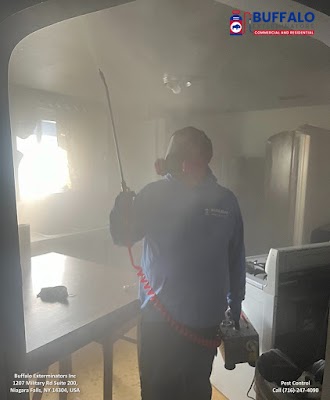
Special cases: termites, mosquitoes, and stinging insects
Termite control is its own discipline. For homes with children and pets, baiting systems offer a strong safety profile. Stations installed around the perimeter carry very small amounts of active ingredient compared to a full soil termiticide treatment. Over months, worker termites feed on the bait, share it through the colony, and suppress or eliminate the population. Liquid barriers still have a place, especially with heavy pressure or construction constraints, but they involve trenching, drilling, and gallons of diluted termiticide. A licensed pest control team will map utilities, protect play areas, and keep drillings sealed and tidy. In older homes, I sometimes combine the two, spot apply where I find active mud tubes and run a full baiting program for long term protection.
Mosquito control in yards lives or dies on source reduction. Tip and toss anything holding water for more than a few days. Clean gutters, adjust irrigation, and consider larvicides like Bti in ornamental ponds. Adulticide fogging makes a yard more comfortable for a barbecue, but it is temporary. If you schedule mosquito extermination, ask for a service that targets resting sites under shrubs, not a blanket fog over toys and patio furniture. Keep pets and kids inside until the product has dried, typically 30 to 60 minutes for water based formulations.
For wasp extermination and bee removal, timing and species identification matter most. Paper wasps over a door frame can be treated with a quick knockdown and nest removal early in the morning when activity is low. Yellow jacket void nests sometimes require dusting and several follow ups to ensure the queen is dead before sealing the entry. Honey bees, when feasible, should be relocated by bee removal specialists. Spraying out a hive wedged in a soffit without removing comb invites fermented honey, staining, and a new wave of pests.
Real world precautions that pay off
Small habits make a big difference. Store pet food in sealed containers and feed on a schedule, not free choice. Wipe bowls and sweep around feeding stations nightly. Repair slow leaks under sinks quickly; a tablespoon of water under a cabinet can keep a roach population going for months. Vacuum along baseboards where pet hair and dust collect, then empty the canister outside. If you see one mouse, assume it has siblings. If you see daytime roach activity, assume the population is at least in the hundreds.
In multifamily housing and apartment pest control, cooperation matters. I have worked bed bug cases where a single untreated unit reinfested an entire line of apartments through shared walls. Good building pest control includes regular home pest inspection, discreet resident education, and policies for infested furniture disposal that do not spread the problem through hallways and sidewalks.
Preparing for service and caring for kids and pets
Any reputable pest control company will provide prep sheets tailored to the pest and the treatment method. For family homes, I keep it simple and predictable, because routines help kids and animals feel safe. Here is the core checklist we use most often.
- Pick up toys, pet bedding, and loose items from floors, then bag or bin them if we are treating floors or baseboards. Secure pets in a room or crate away from the treatment area, or take them for a walk or drive during service and the posted reentry interval. Empty under sink cabinets and remove the kick plates from dishwashers or stoves if we are pursuing cockroach extermination, then wipe accessible surfaces after treatment is fully dry. Wash pet bowls, cutting boards, and high contact kitchen surfaces after reentry, even for odorless pest control applications, because residues and food never mix. Keep fish tanks covered and air pumps off during and for an hour after treatment; fish are sensitive to aerosols.
Aftercare is just as important. Follow reentry times. These can range from immediate, for non toxic pest control like traps, to several hours, for fogging or deep pest treatment. Ventilate treated rooms by opening windows and running fans when appropriate. Watch pets for unusual behavior after a service visit. If you suspect exposure, call your veterinarian and the product’s emergency number listed on the service ticket.
How professionals design a safer treatment plan
On a good service call, you will see a sequence, not a single act. We start with a home pest inspection. We identify the pest to species level whenever possible. We quantify severity. For example, sticky trap counts over a week in a kitchen may show German roaches concentrated near the refrigerator vent and in the dishwasher toe kick, not throughout the home.
Then we choose methods. For indoor pest control, that might be vacuuming live roaches, placing gel bait in harborages, applying an IGR in wall voids with a pin tip, and dusting electrical boxes where egg cases often hide. For outdoor pest control and yard pest control, we cut back ivy against foundation walls, remove ground level harborage, and lay a narrow non repellent perimeter band where ants trail. For rodent control outdoors, we anchor bait stations at fence lines and switch to traps near doors and patios.
We communicate reentry timing, what we applied, and where. Licensed pest control providers should leave a service ticket listing each product by trade name and active ingredient, with EPA registration numbers. If you want a copy of labels and Safety Data Sheets, ask. A certified pest control operator will not blink at the request.
Lastly, we schedule follow up. Quarterly pest control works for many homes, with a heavier initial service and then maintenance. Monthly pest control may be appropriate for restaurants or high pressure multifamily buildings. Annual pest control can be sufficient for structures with excellent exclusion and a history of low pressure. Same day pest control or emergency pest control has a place when you discover a wasp swarm in a nursery on a Friday afternoon, but most infestations respond better to a measured plan over a few weeks.
Selecting the right pest control company
Price matters, but reliability matters more. I have cleaned up too many cheap spray and pray jobs that pushed pests from one room to another and left families frustrated. When you call a pest control company, ask specific questions that tie directly to safety.
- What is your approach to integrated pest management for my situation, and how will you minimize chemical use? Which active ingredients do you propose, what are their EPA signal words, and where will you place them? How do you handle rodent control around dogs and wildlife, and do you use tamper resistant, anchored stations? What reentry intervals should I expect, and what preparation and aftercare will you provide in writing? Are your technicians licensed and background checked, and do you carry liability insurance appropriate for residential and commercial pest control?
Look for clarity, not vague reassurances. A professional pest control provider should sound like a teacher. If you hear a hard sell for blanket indoor fogging or a claim that a single spray will prevent pests for a year, keep looking.
Residential vs commercial, and why that matters
Residential pest control has unique rhythms. Kids nap. Dogs bolt for open doors. Carpets and cribs do not move easily. You want targeted, lower odor, and low volatility options. You want technicians who work around routines, schedule during school hours when possible, and return calls quickly if you have questions.
Commercial pest control and industrial pest control have different constraints. Food safety rules in restaurant pest control limit product choices and dictate trap placement maps. Warehouse pest control may involve insect light traps and pheromone monitoring for stored product pests. School pest control requires notices before chemical use and often mandates IPM. Hospital pest control has heightened sensitivity to disinfectant interactions and immunocompromised patients. A company that does both should be able to flex its methods to fit your environment.
A note on fumigation and when extremes are justified
Fumigation services are sometimes necessary. Severe drywood termite infestations in coastal regions, or commodity fumigation in distribution centers, require whole structure or container level gas treatments. For a single family home, that means tenting, vacating for several days, and following strict bagging and airing procedures. It is not child friendly in the moment, but when drywood galleries lace through inaccessible timbers, there is no equal for whole structure reach. The safety calculus looks different than routine bug extermination services, and you should expect a separate, detailed briefing.
Managing expectations and measuring success
People understandably prefer instant results. For bed bug extermination, count on several visits. For ant extermination with non repellent sprays or baits, expect an initial rise in activity as the colony reorganizes, then a collapse around week two or three. For flea control and tick control, remember the life cycle. You may continue to see adults emerge for 2 to 4 weeks even after a thorough treatment, especially if you have pets and a shaded yard. Yard pest control helps, but consistent pet treatments coordinated with your veterinarian matter just as much.
Define success up front. Fewer sightings in a week, clean trap counts, absence of droppings, and reduced customer complaints in an office pest control context are concrete signals. Good providers document, adapt, and explain.
Costs, value, and avoiding false economies
Affordable pest control does not mean the cheapest quote. It means the best long term value with the least disruption. A two visit cockroach program using baits and IGRs, plus minor exclusion, may cost more than a single spray. But if the spray scatters roaches into wall voids and you are back to square one in a month, you have paid more in the end. Green pest control options can cost 10 to 30 percent more per visit, because some products require more frequent application and more labor. That premium often buys predictability and a lower risk profile in homes with children or sensitive pets.
The best pest control providers lay out options. They distinguish between nice to have and must do. They explain when a deep pest treatment is warranted and when preventive pest control will hold the line. They recommend year round pest control if your environment and structure make it sensible, or seasonal pest control if pressure is limited to spring ants and late summer spiders.
What I have seen go wrong, and how to avoid it
I once met a Labrador that had learned to tip open a garage bait station for the peanut aroma alone. The homeowner assumed tamper resistant meant dog proof. It rarely does. Anchoring stations and placing them where a dog cannot wedge a paw into the entrance matters. Another case involved a nursery fogged by a well meaning landlord with an over the counter bug bomb. The aerosols drove German roaches deeper into wall voids, where they bred happily. It took a month of careful baiting to undo that Friday night decision.
Store bought bombs and strong repellent sprays inside often make indoor insect control harder by scattering pests. On the flip side, I have taken over ant jobs where a prior provider only sprayed repellent barriers outside. The ants moved up into eaves and down interior plumbing chases, bypassing the barrier. A switch to non repellent exterior treatments plus targeted baiting at indoor hotspots ended the weeks long march through the kitchen.
For wildlife removal services, always pair removal with repairs. Trapping raccoons but leaving a gable vent unscreened is an invitation to round two. The same mindset applies to pest proofing services after rodent removal. Seal, screen, and block.
A final, practical snapshot
Think in layers. Prevention reduces pressure. Monitoring shows if interventions work. Targeted treatments solve the problem with less collateral risk. Communication keeps kids and pets out of harm’s way. Whether you live in a bungalow or manage an office, the fundamentals hold.
Before you schedule that first visit, run through a last short list of what to expect and what to do.
- Confirm the exact pests targeted and the methods proposed, including any baits, dusts, heat, or residual sprays. Ask for product names, active ingredients, EPA registration numbers, and reentry intervals in writing on your service ticket. Plan the day so children and pets can be out of treated rooms until dry or until the stated interval has passed. Tidy, fix small leaks, and secure food before service. Follow aftercare directions like ventilating and wiping food contact surfaces. Book a follow up inspection window. Prevention and monitoring are part of pest management, not extras.
Child safe pest control and pet safe pest control are achievable without sacrificing results. It takes a professional mindset, careful product selection, and the discipline to do small things right. With the right plan and a trustworthy team, you can keep your space comfortable and healthy, from garden pest control to apartment pest control, without putting the people and animals you love at risk.